Source colorless hexadecylamidopropyl trimethylammonium chloride for Antistatic, Emulsifier, and Biocide Uses
Find and compare 30 listings for colorless hexadecylamidopropyl trimethylammonium chloride across various purities and packaging options. Evaluate specifications such as active matter content, pH levels, and CAS registry number 3327-22-8 to identify suitable suppliers for industrial applications.
Key considerations
Products List




Comprehensive Sourcing Guide
Colorless Hexadecylamidopropyl Trimethylammonium Chloride Sourcing Guide
Procuring colorless hexadecylamidopropyl trimethylammonium chloride requires a disciplined approach to distinguishing between synthesis intermediates and finished surface-active agents, as the supply chain often blends these categories. Buyers must recognize that while the core chemical structure is consistent, the physical form and purity levels vary significantly between suppliers offering industrial-grade intermediates versus specialized cosmetic or pharmaceutical grades. The observed market data indicates a wide spectrum of product states, ranging from liquid formulations to white powders, which necessitates a rigorous initial screening process to ensure the material matches the specific application requirements of the buyer's production line.
The sourcing strategy must account for the diverse packaging and standardization practices observed in the current market, where some listings specify 200L plastic drums for bulk industrial use while others offer small-scale samples in 100g or 1kg increments. This variation in packaging directly impacts the logistics and inventory management strategies of the buyer, particularly when dealing with Minimum Order Quantities (MOQ) that can range from single kilogram samples to multi-tonne industrial shipments. Understanding these logistical constraints early in the process prevents costly mismatches between the ordered volume and the actual storage or handling capabilities of the receiving facility.
Product Scope and Observed Listing Signals
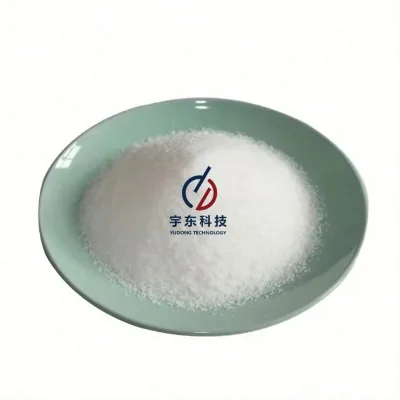
Buyers should first verify the physical appearance and state of the material, as the market listings for this chemical class show distinct variations between liquid and powder forms. While the target compound is often associated with liquid surfactant applications, the supplied data confirms that powder variants with white coloration are also available, alongside colorless liquid options. This divergence suggests that the term "colorless hexadecylamidopropyl trimethylammonium chloride" may be used broadly to describe a family of related quaternary ammonium compounds, requiring the buyer to explicitly confirm the physical state before placing an order to avoid receiving a solid intermediate when a liquid solution is required.
The observed product models and purity specifications indicate a fragmented market where different manufacturers use distinct naming conventions and purity grades for similar chemical structures. Listings reference specific models such as YD-355, T1611/TCMAC, and 1231, each associated with different active matter percentages ranging from 30% to 99%. This lack of standardization in naming and grading means that a buyer cannot rely on the product name alone; instead, they must cross-reference the CAS Registry Number, specifically 3327-22-8, with the provided purity and active matter data to ensure the material meets the precise chemical definition required for their synthesis or formulation process.
Technical Specifications to Verify
The verification of active matter percentage is a critical step, as the observed data shows significant variance with values ranging from 30±1% to 99% depending on the specific product model and intended use. For applications requiring high purity, such as pharmaceutical synthesis or high-performance cosmetic formulations, the buyer must demand a Certificate of Analysis (CoA) that explicitly confirms the active matter content aligns with the 99% standard observed in some listings, rather than accepting the lower 30% or 50% grades typical of industrial intermediates. This distinction is vital because the presence of excess inactive material or byproducts can interfere with downstream reactions or alter the final product's performance characteristics.
Buyers must also scrutinize the pH range and free amine content, as these parameters directly influence the stability and safety profile of the final formulation. The market data indicates pH values for 1% aqueous solutions ranging from 4.0 to 9.0, with some products specified as neutral and others as alkaline, while free amine and amine salt content is capped at ≤1% or ≤2%. Since the presence of free amines can affect the toxicity and irritation potential of the final product, the procurement team must verify that the supplier's batch testing confirms these limits are met, ensuring the material is suitable for its intended application without requiring additional purification steps.
Compliance and Safety Documentation
Safety documentation must be validated against the specific chemical properties observed, including the melting point of 191-193 ºC and the molecular formula C6h15cl2no, to ensure the material is handled according to the correct safety protocols. While the supplied facts do not explicitly list all safety certifications, the presence of ISO 9001 and GMP certifications in the market data suggests that reputable suppliers adhere to quality management systems that include safety and traceability measures. Buyers should request Safety Data Sheets (SDS) that align with the observed physical properties, such as the colorless or white appearance and the specific molecular weight of 188.10, to confirm that the handling instructions match the actual chemical being supplied.
The absence of explicit "Environmental Protection" attributes in some listings serves as a warning that not all variants of this chemical are marketed as eco-friendly, and buyers must verify the environmental compliance status of their specific supplier. The data indicates that some products are classified as "No" for environmental protection, which may imply the presence of solvents or byproducts that require special disposal procedures. Consequently, procurement teams must include environmental compliance clauses in their contracts, ensuring that the supplier provides documentation confirming the material meets the environmental regulations of the destination country, particularly if the product is intended for use in sensitive applications or export markets with strict environmental standards.
Cost Drivers and Commercial Terms
The cost of this chemical is heavily influenced by the purity level and the packaging format, with high-purity grades (99%) and specialized packaging like IBC drums or small sample units commanding different price points. The observed price range of 0.98 to 10,000 USD reflects the vast difference between bulk industrial intermediates and small-scale, high-purity samples, meaning that the unit cost will fluctuate dramatically based on the order volume and the specific purity grade selected. Buyers must calculate the total landed cost, including the potential premium for custom packaging or smaller unit sizes, to avoid budget overruns when scaling up from sample testing to full production runs.
Commercial terms regarding Minimum Order Quantity (MOQ) and delivery lead times are critical variables that can impact the supply chain resilience of the buyer. The market data shows MOQs ranging from 1 unit to 1000 units, with some suppliers offering a 2mt minimum for bulk orders, while delivery times can vary from 3-5 days for samples to longer periods for large industrial shipments. Procurement strategies should account for these constraints by maintaining a buffer stock of high-purity samples for R&D while negotiating flexible MOQ terms for bulk production, ensuring that the supply chain remains agile enough to respond to market fluctuations without incurring excessive inventory holding costs.
Supplier Qualification and Quality Control
Supplier qualification should prioritize those who offer OEM/ODM services and hold recognized certifications such as ISO 9001, as these indicators suggest a commitment to consistent quality and process control. The presence of brands like Zhishang Chem in the market data highlights the importance of verifying the supplier's reputation and track record, particularly regarding their ability to maintain the specified active matter percentages and pH ranges across different production batches. Buyers should conduct a thorough audit of the supplier's quality control procedures, ensuring they have the capability to test for free amine content and molecular consistency to prevent batch-to-batch variability that could disrupt production schedules.
Quality control protocols must extend beyond the initial sample approval to include ongoing verification of the product's physical and chemical properties during the supply relationship. Given the observed variations in product models and standards, buyers should implement a rigorous incoming inspection process that includes testing for color, appearance, and active matter content against the agreed-upon specifications. This proactive approach ensures that any deviations from the standard, such as a shift in pH or an increase in free amine content, are detected early, allowing for corrective action before the material is integrated into the production line, thereby protecting the integrity of the final product.
Long-Term Procurement Checks
Long-term procurement success depends on establishing a robust framework for periodic re-verification of supplier performance and product consistency over time. Buyers should schedule regular audits and request updated Certificates of Analysis for each batch to ensure that the supplier continues to meet the stringent requirements for active matter, pH, and free amine content observed in the initial sourcing phase. This ongoing monitoring is essential because chemical manufacturing processes can drift over time, and without regular checks, the risk of receiving substandard material that fails to meet the application requirements increases significantly.
Strategic planning for the future should also include evaluating the supplier's ability to adapt to changing market demands and regulatory landscapes. As environmental regulations and safety standards evolve, suppliers must demonstrate their capacity to adjust their formulations and documentation practices accordingly. Buyers should maintain open communication channels with their suppliers to stay informed about any changes in product standards, such as updates to the 180kg/Drum standard or new certification requirements, ensuring that the supply chain remains compliant and competitive in the long term.
FAQs
What is the CAS number for colorless hexadecylamidopropyl trimethylammonium chloride?
The CAS Registry Number is 3327-22-8. This identifier confirms the chemical structure and purity for industrial synthesis material intermediates. Buyers should verify this number against supplier documentation to ensure accurate product matching and regulatory compliance during procurement.
What is the molecular weight of this compound?
The molecular weight is 188.10. This value corresponds to the molecular formula C6h15cl2no. Accurate molecular weight data is essential for precise stoichiometric calculations in chemical synthesis processes and quality control testing for industrial applications.
What is the melting point of the powder form?
The melting point ranges from 191-193 ºC. This physical property applies to the white powder appearance variant. Understanding the melting point helps buyers determine appropriate storage conditions and processing temperatures for handling the material safely and effectively.
What packaging options are available for bulk orders?
Packaging includes 200L plastic drums and IBC containers. Standard specifications often cite 180kg per drum. These options support large-scale industrial usage. Buyers can request customization for specific logistical needs, ensuring safe transport and storage of the chemical intermediates.
Is customization available for this surface disposal agent?
Yes, customization is available for neutral and alkaline surface disposal agents. Suppliers offer OEM and ODM services to meet specific purity requirements. This flexibility allows buyers to tailor product specifications, such as active matter percentage, to their unique operational standards.
What certifications do the suppliers typically hold?
Suppliers often hold ISO 9001 and GMP certifications. These credentials indicate adherence to quality management and good manufacturing practices. Buyers should request valid certificates to ensure the product meets international safety and quality standards for industrial and chemical applications.
What is the typical lead time for delivery?
The typical delivery lead time is 3-5 days. This rapid turnaround supports urgent procurement needs. Buyers should confirm lead times with specific suppliers, as actual delivery may vary based on order volume, location, and current production capacity constraints.